Jura Shust: Żywica*Solar Plexus
Zachęta National Gallery of Art | Warsaw | 2026
Żywica* Solar plexus is the first solo exhibition of Jura Shust, a Belarusian artist, in Poland.
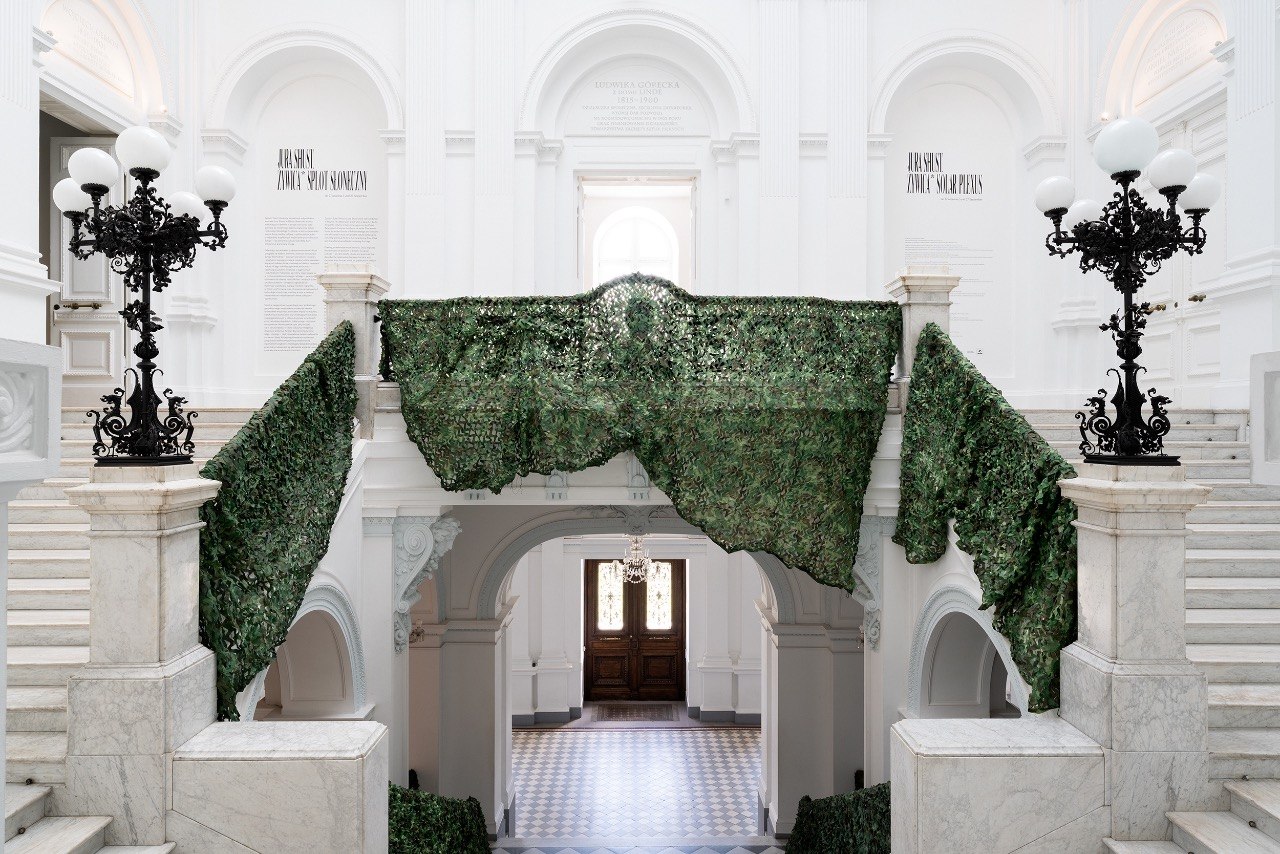
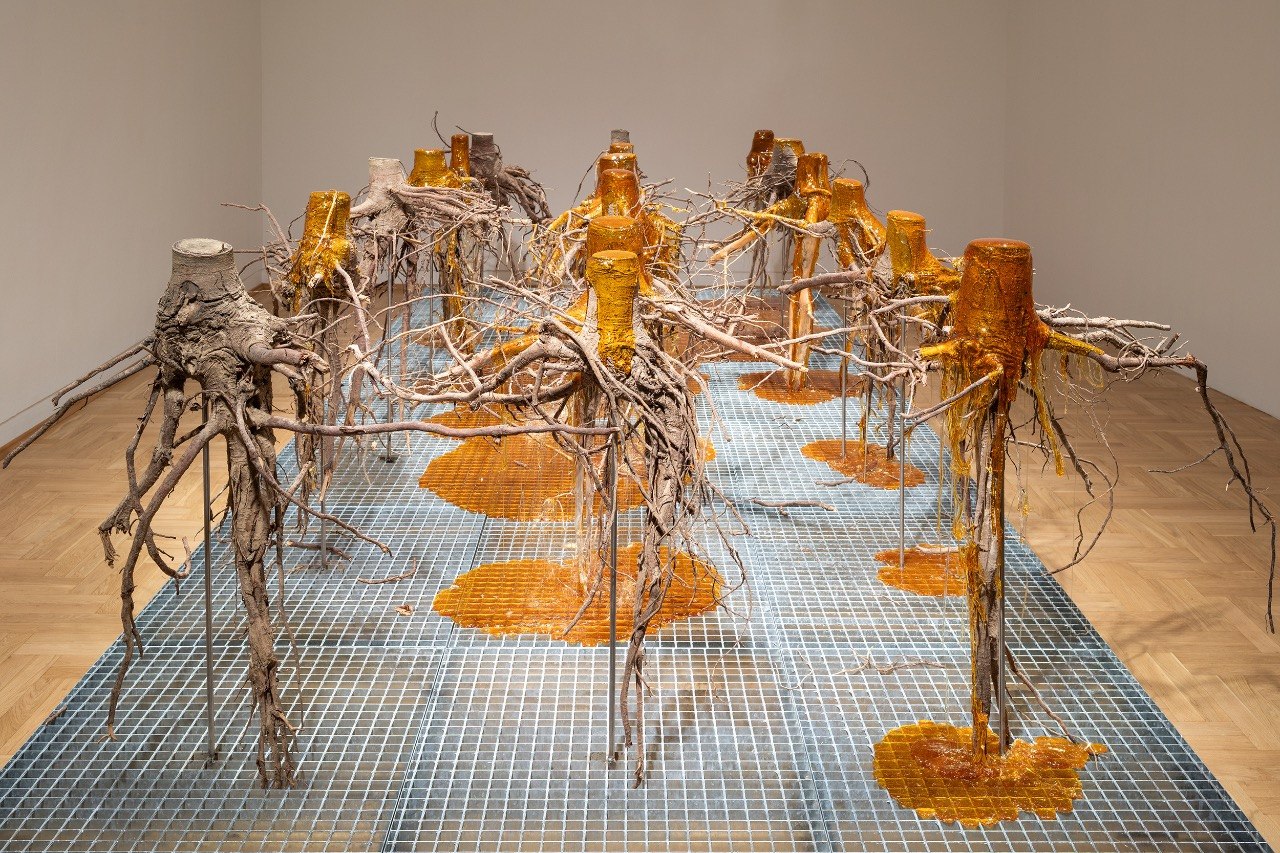
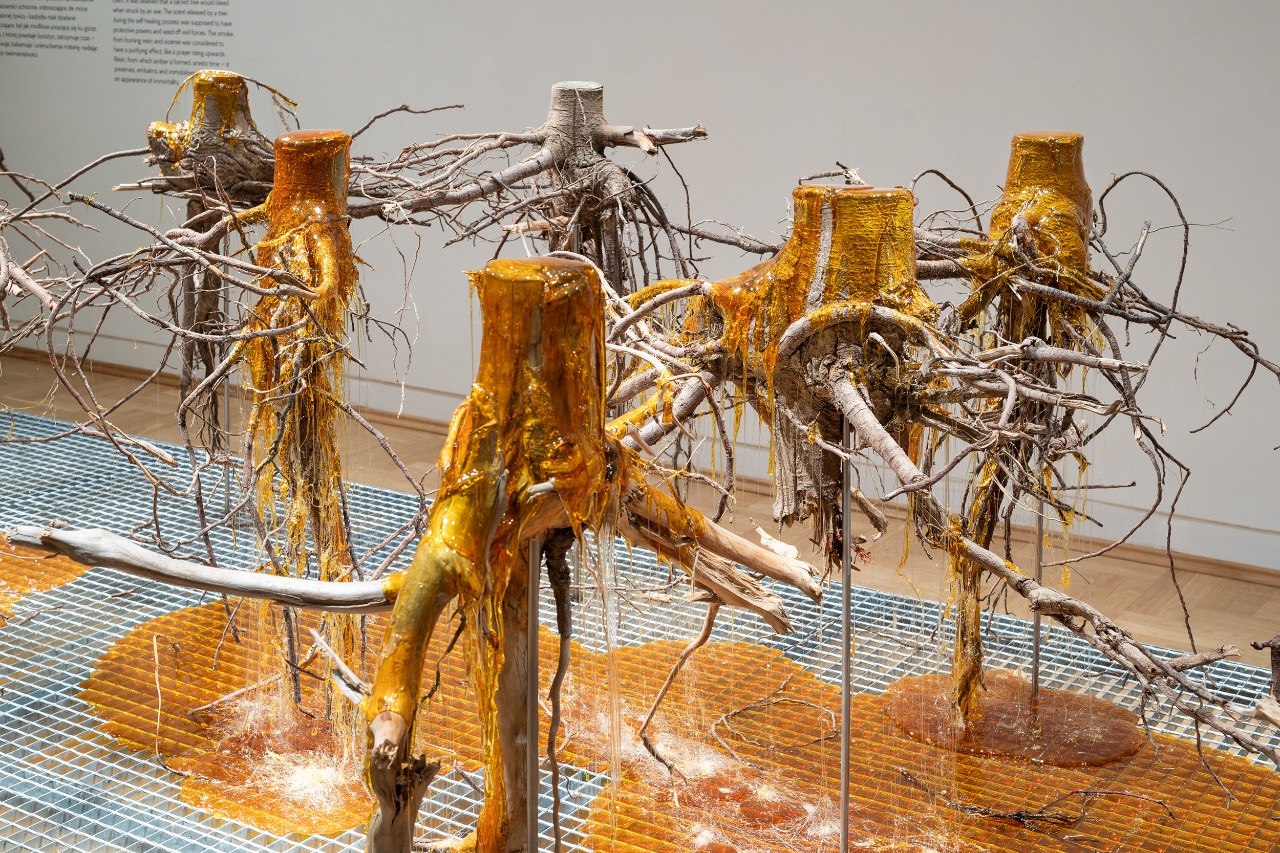
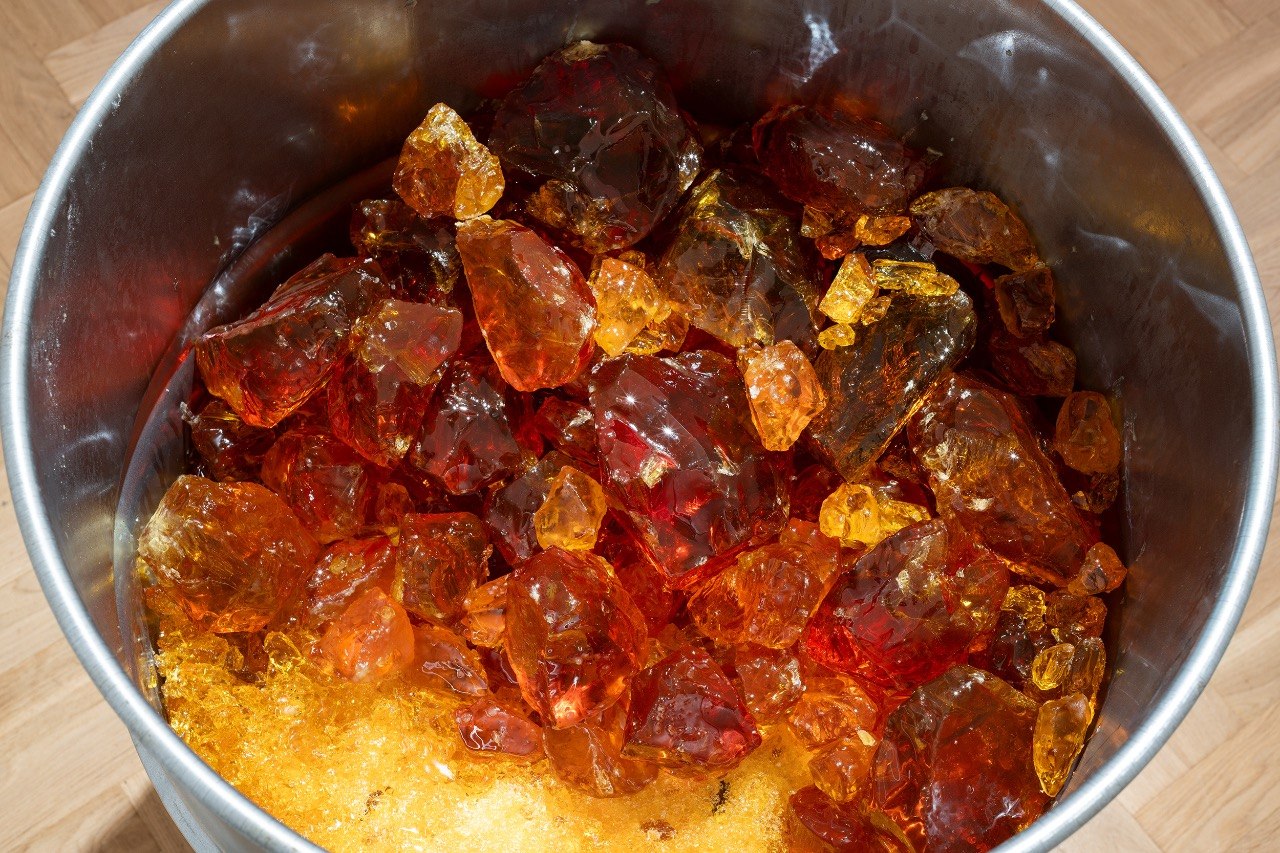
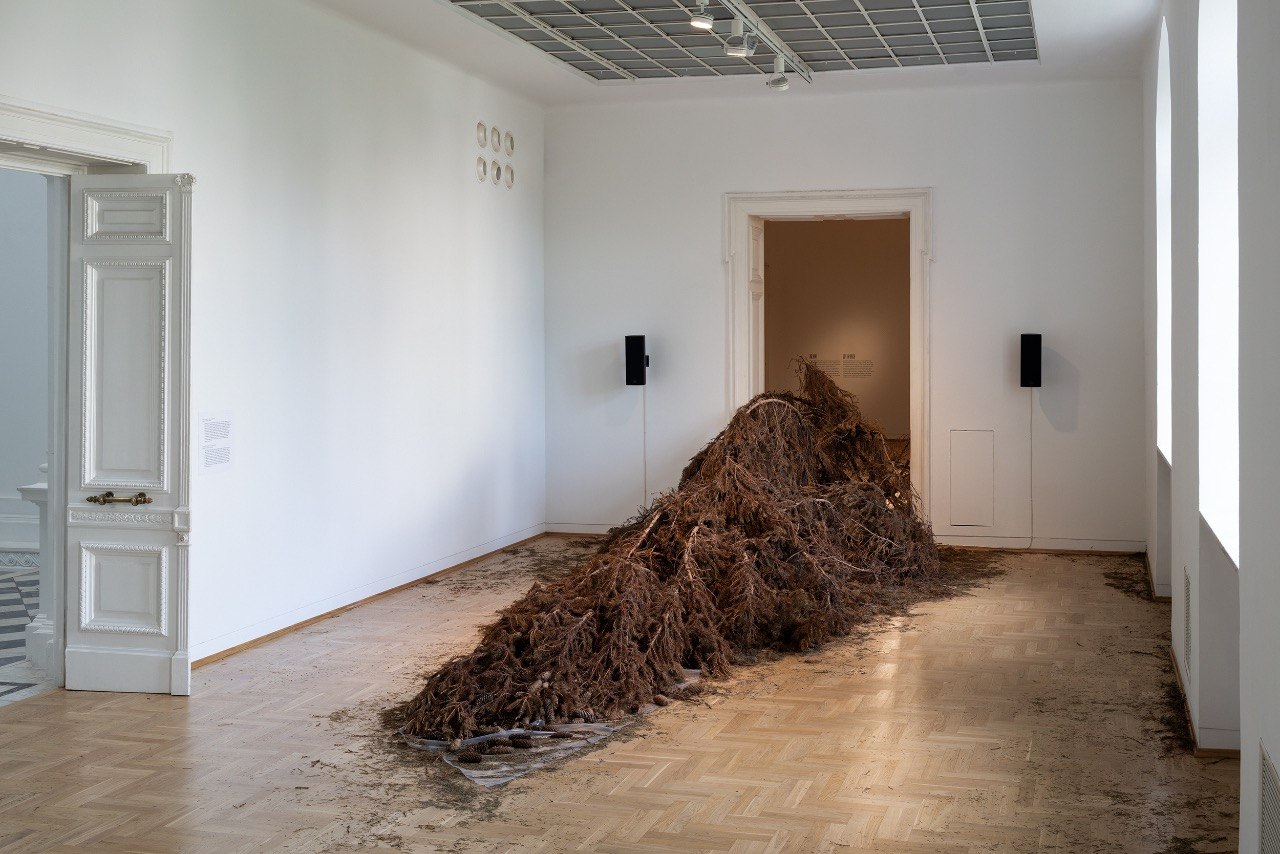
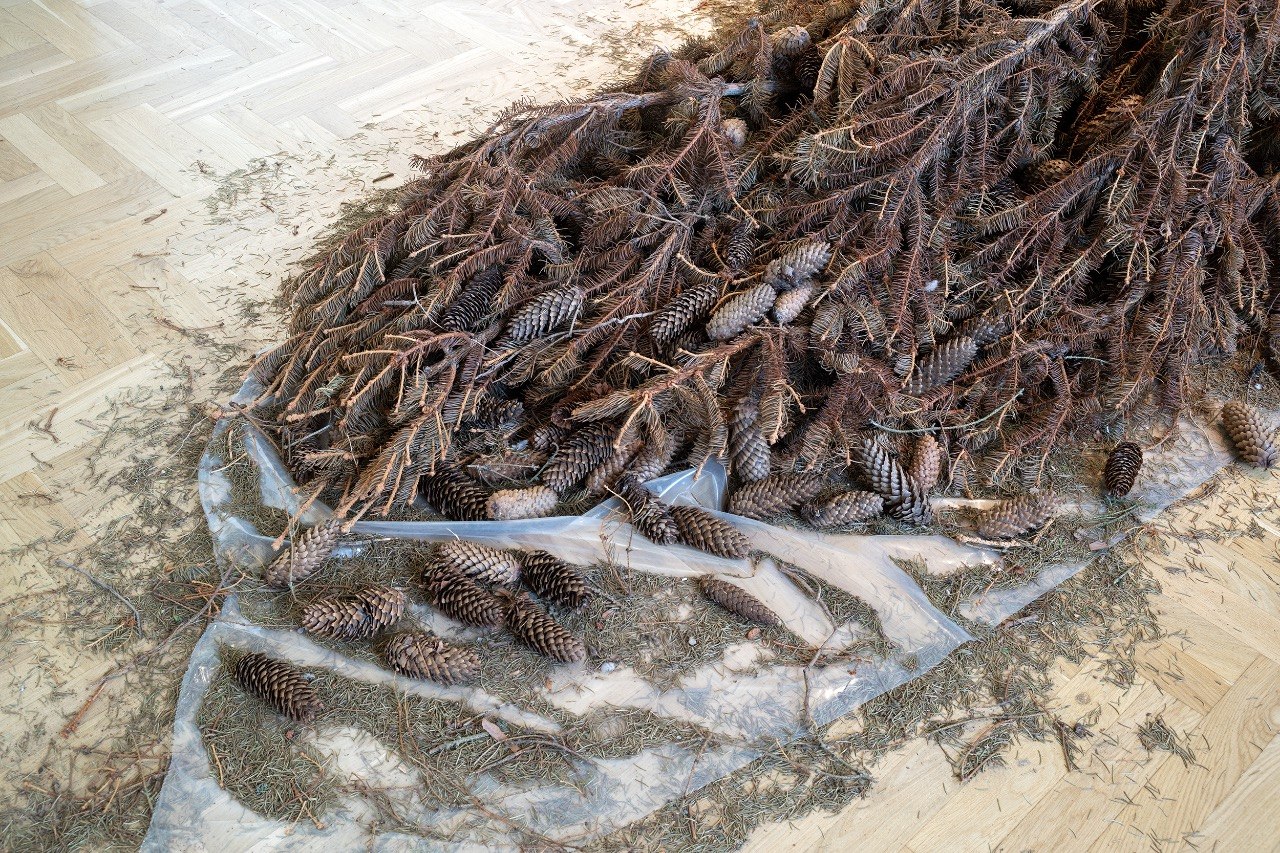
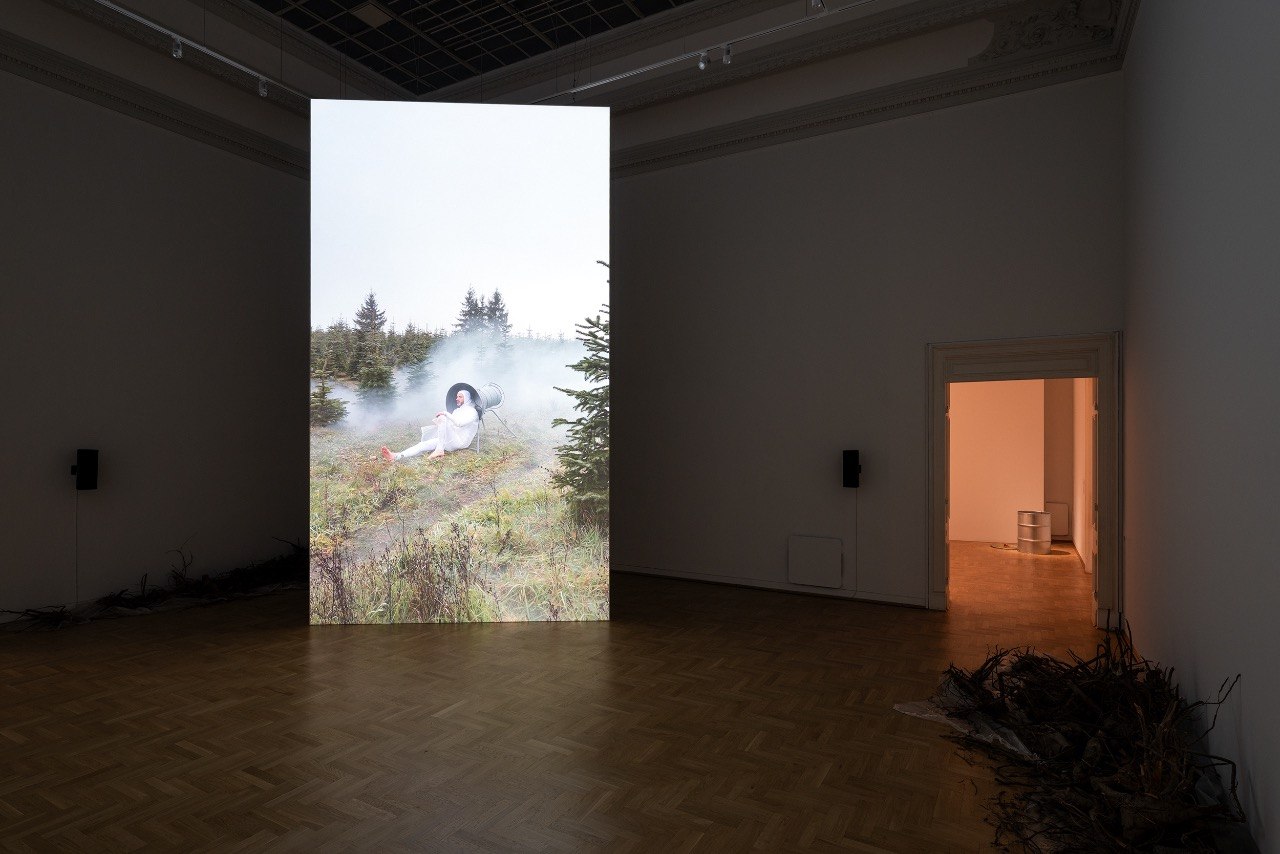
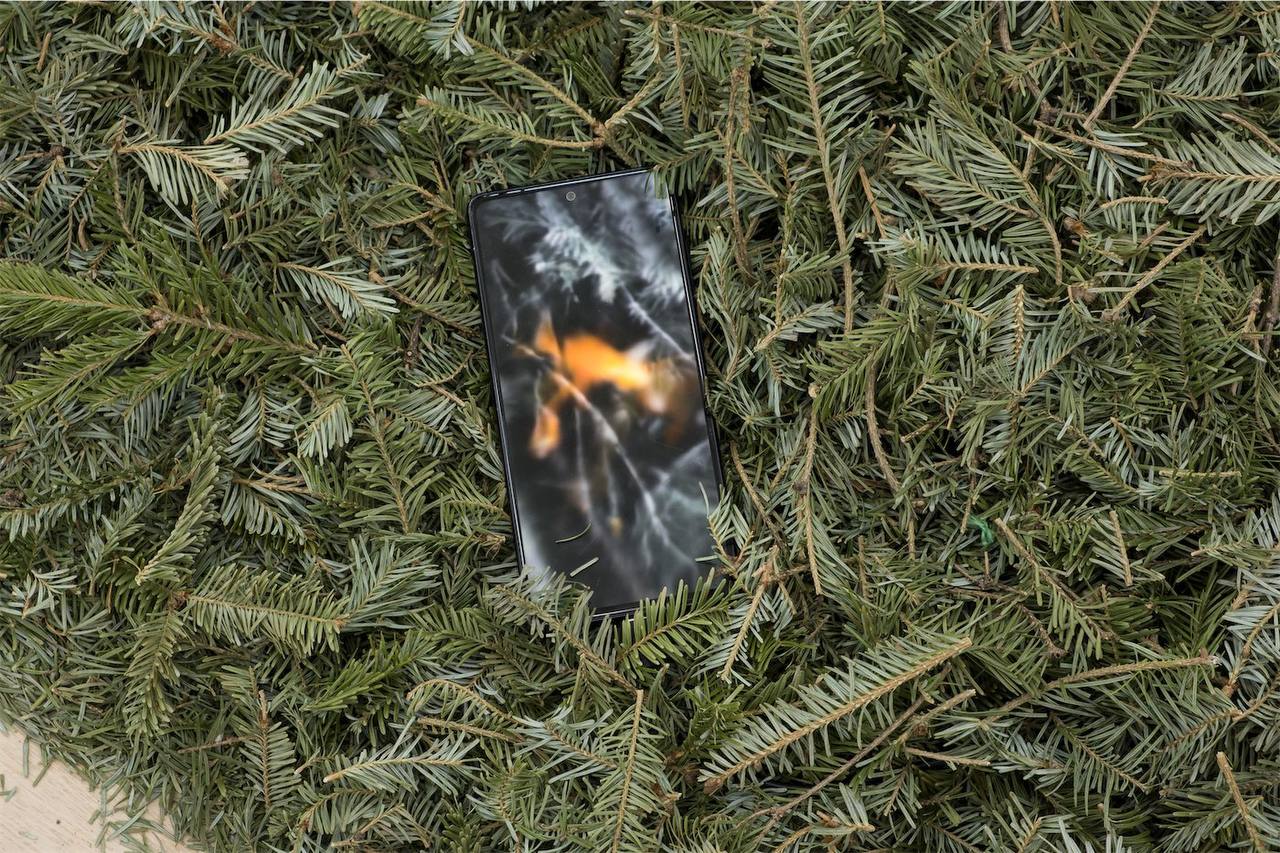
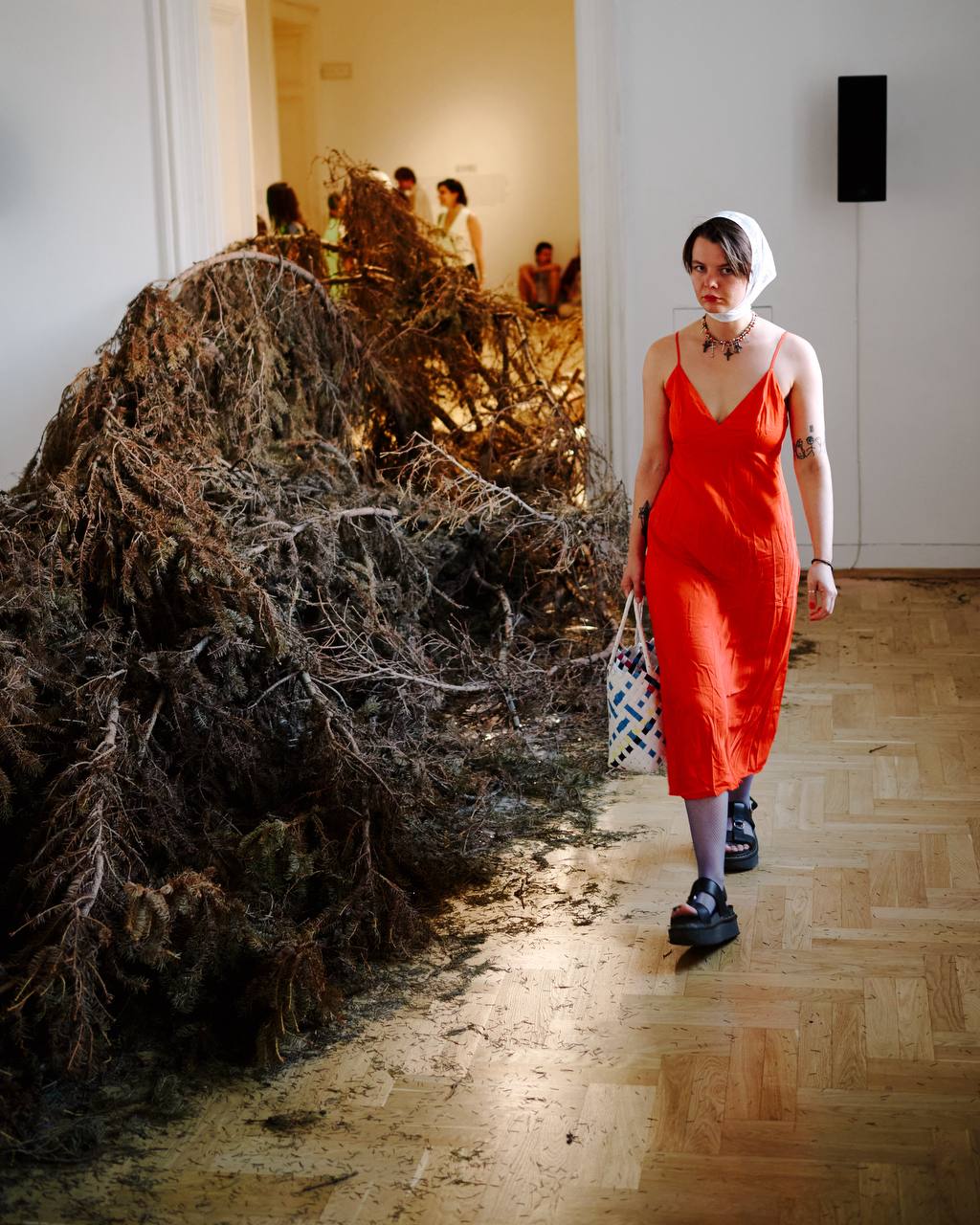
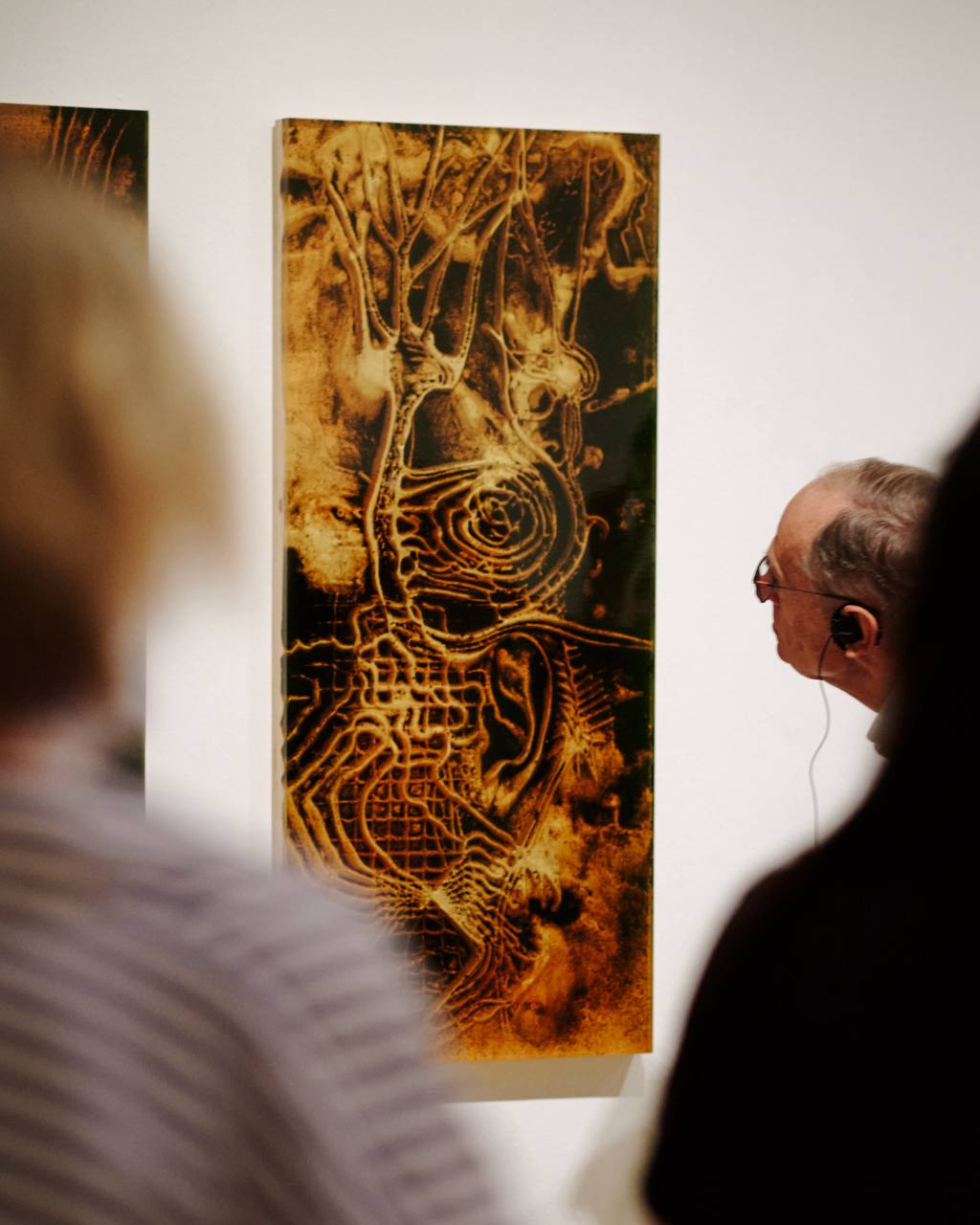
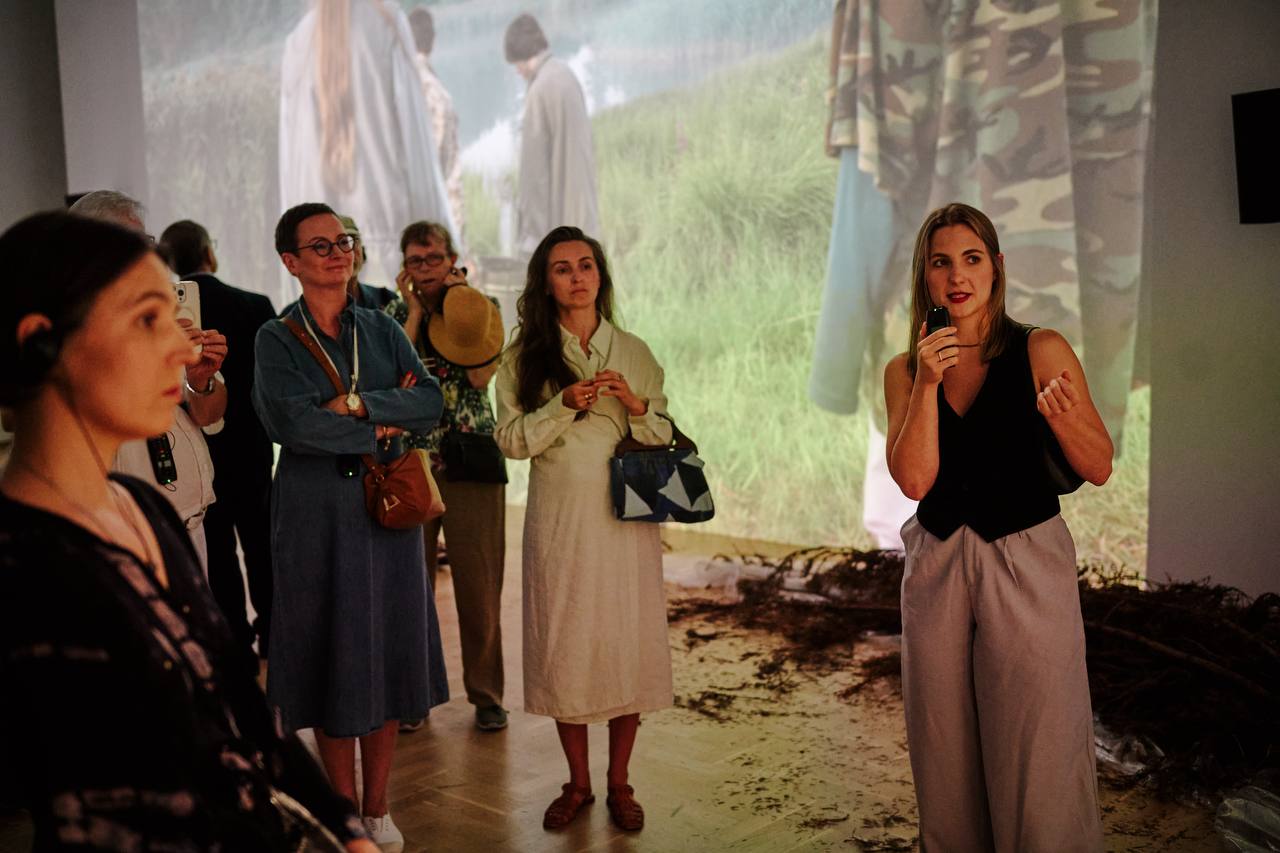
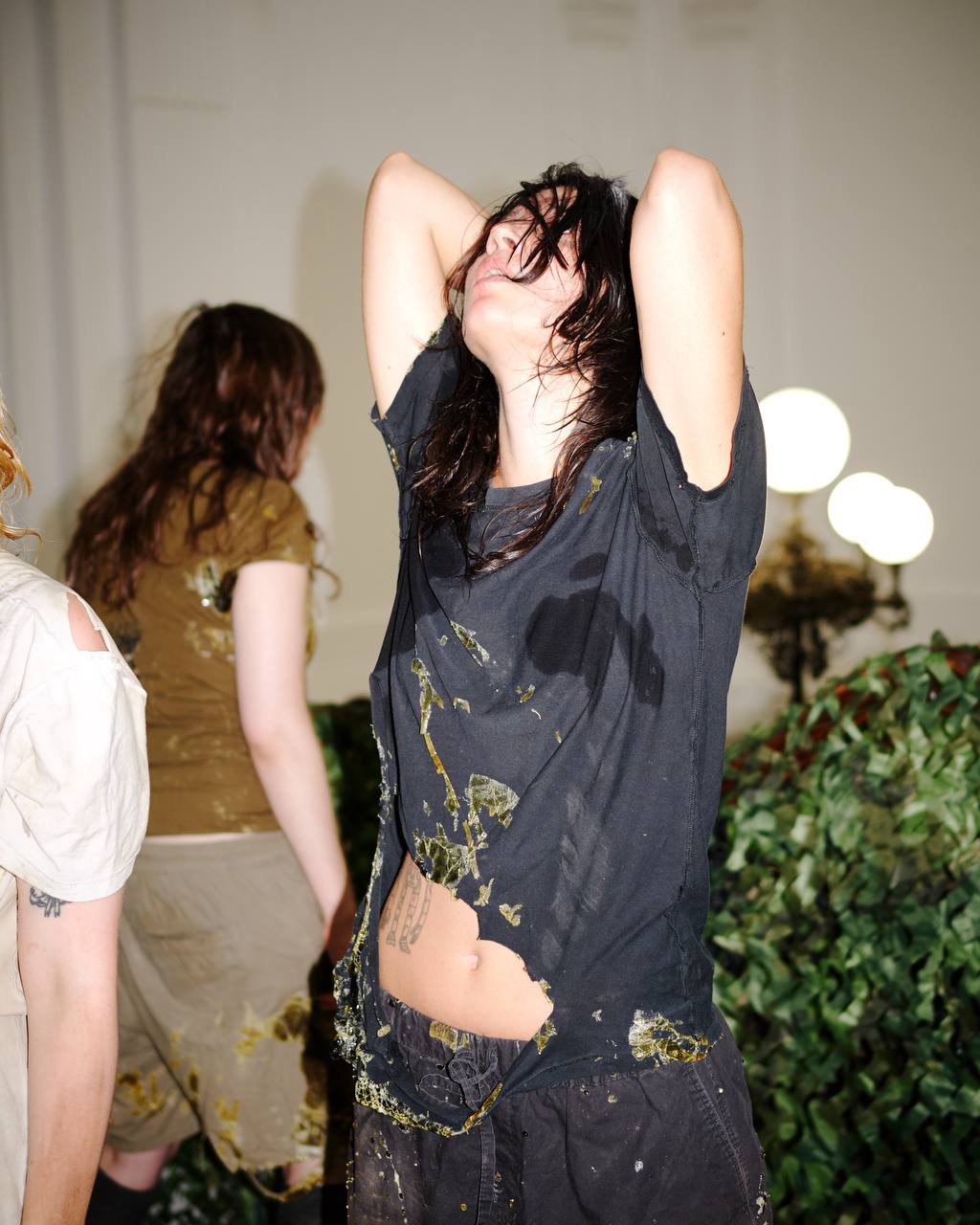
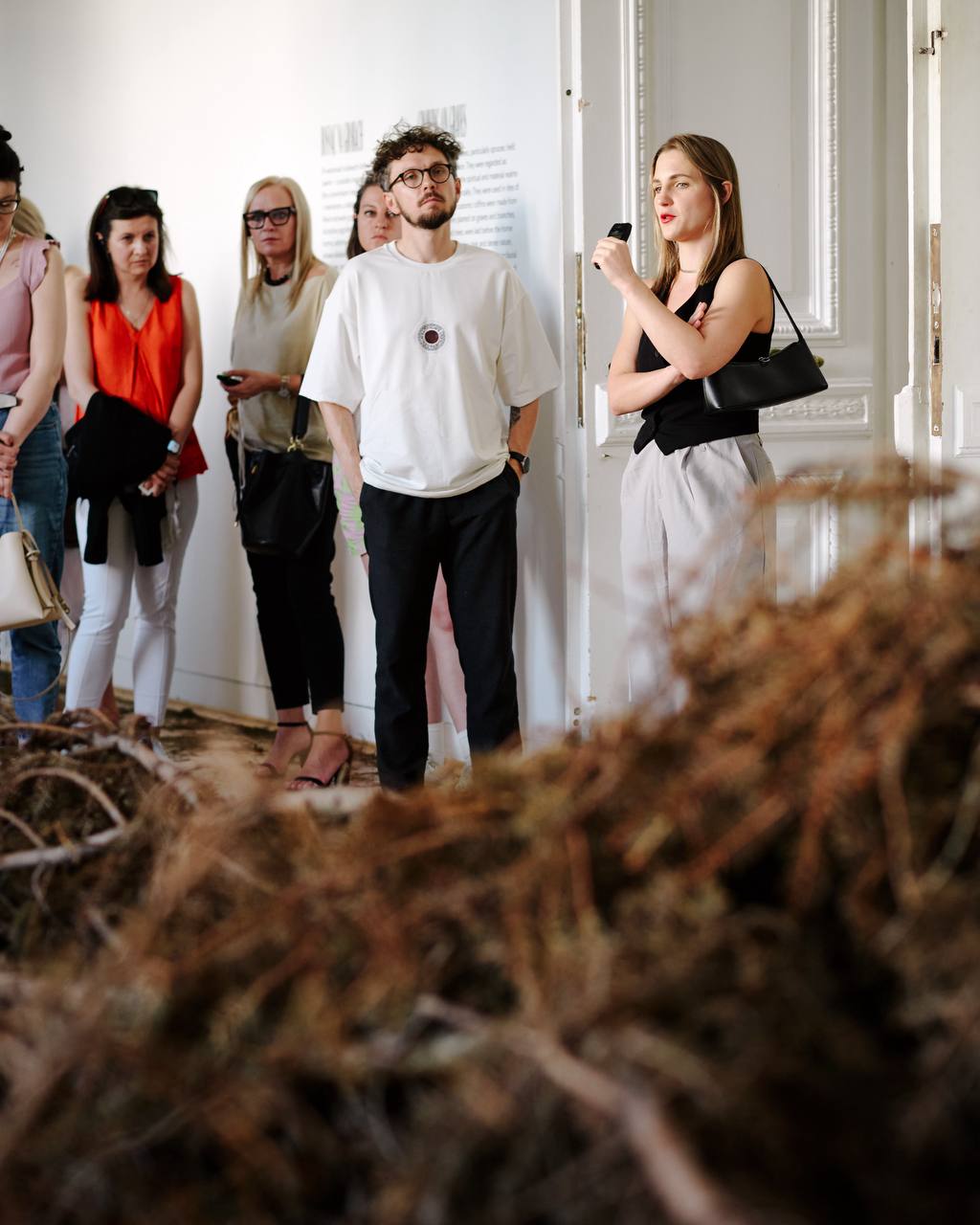
Its main theme is the relationship between our spirituality and technology. For the exhibition, Shust has prepared a new, multichannel installation that includes videos, sound, performative actions, and objects made of both organic and industrial materials, arranged across five rooms at Zachęta. The exhibition guides the viewer across various landscapes, from a plantation of Christmas trees, through a cemetery where trees grow out of tombs, to an ancient Eastern European woodland. In those spaces, old beliefs about man’s relationship with nature meet modern technologies – from the industrial exploitation of the environment to artificial intelligence and digital communication networks.
The spruce trees in that landscape used to be perceived as connectors between the material and spiritual worlds, and the forest was considered a sacred space. Nowadays, such areas become the arena of geopolitical tensions, surveillance infrastructure, and the intense use of advanced technologies. The artist explores how they have been taking over the functions that rituals, mythologies, and spiritual practices used to fulfil, and how they have been changing the way we understand reality and communicate with our surroundings.
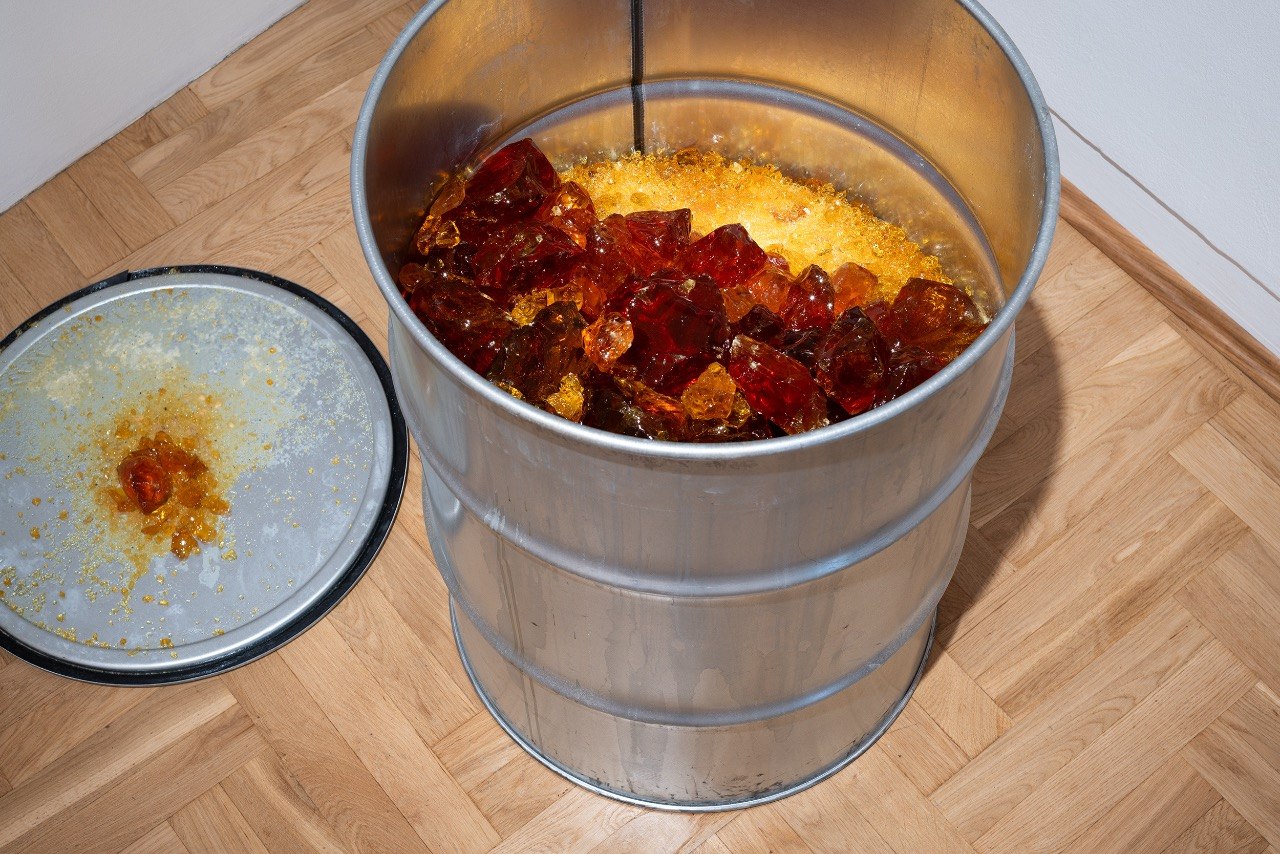
* Żywica [ʐɨˈvit͡sa] is the Slavic word for the resin exuded by coniferous trees—a substance that heals wounds and seals damage. Its name, preserved in Polish (żywica) and Belarusian (жывіца), derives from the Proto-Slavic root živ- (“to live”), reflecting resin’s long-standing association with vitality and regeneration.
Jura Shust – born in 1983, Jura Shust is a Belarusian artist based in Berlin. Fascinated by the relationships between spirituality, technology, and biopolitics, as well as ways of opposing the systems of power, he combines political art with speculative visions of the future. His works have been presented in numerous institutions across the world, including Galerie für Zeitgenössische Kunst GFZK in Leipzig, the S.M.A.K. Municipal Museum of Contemporary Art in Ghent, the Mystetskyi Arsenal in Kyiv, Badischer Kunstverein in Karlsruhe, as well as at the Management in New York. He has participated in the 14th Baltic Triennial at the CAC in Vilnius, the 4th Art Encounters Biennial in Timișoara, and the 15th Gwangju Biennale. In Poland, his work has already been shown at a group exhibition at the Arsenal Gallery in Białystok, and in 2025, the Museum of Art in Łódź bought his film, Pine Cone Seeds (2022). He runs the saliva.live portal, focused on exploring the relationship between nature and technology.
Opening: July 16, 2026
Closing: September 27, 2026
Artist: Jura Shust
Curator: Michalina Sablik
Producer: Dominika Kaszewska, Karolina Jezierska-Pomorska
Venue: Zachęta National Gallery of Art, Warsaw
Exhibition views: Maciej Landsberg
Opening & performance: Bartosz Górka
Special thanks: Management, New York; Michael Reznik; Robert Triefus